Tech Talk | Random Bin Picking

Random Bin Picking vs Structured Bin Picking

The right bin picking strategy starts with one simple question: how do your parts arrive at the robot? The more predictable the part presentation, the simpler and faster the system. The less predictable it is, the more advanced the vision, tooling, and robot strategy need to be.

Faster cycle times vs. more flexibility
Upstream effort vs. downstream complexity
When vision is simple and when it becomes critical
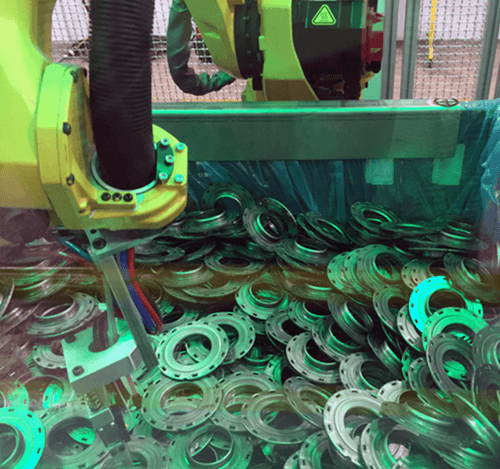
Random bin picking application with robotic vision

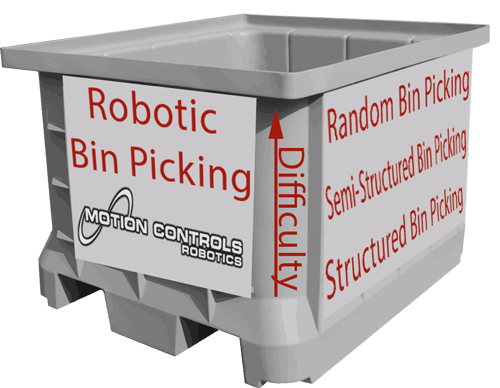
Three Levels of Bin Picking

As part presentation becomes less organized, the application becomes more complex. That changes the vision requirements, tooling strategy, and the expected cycle time.

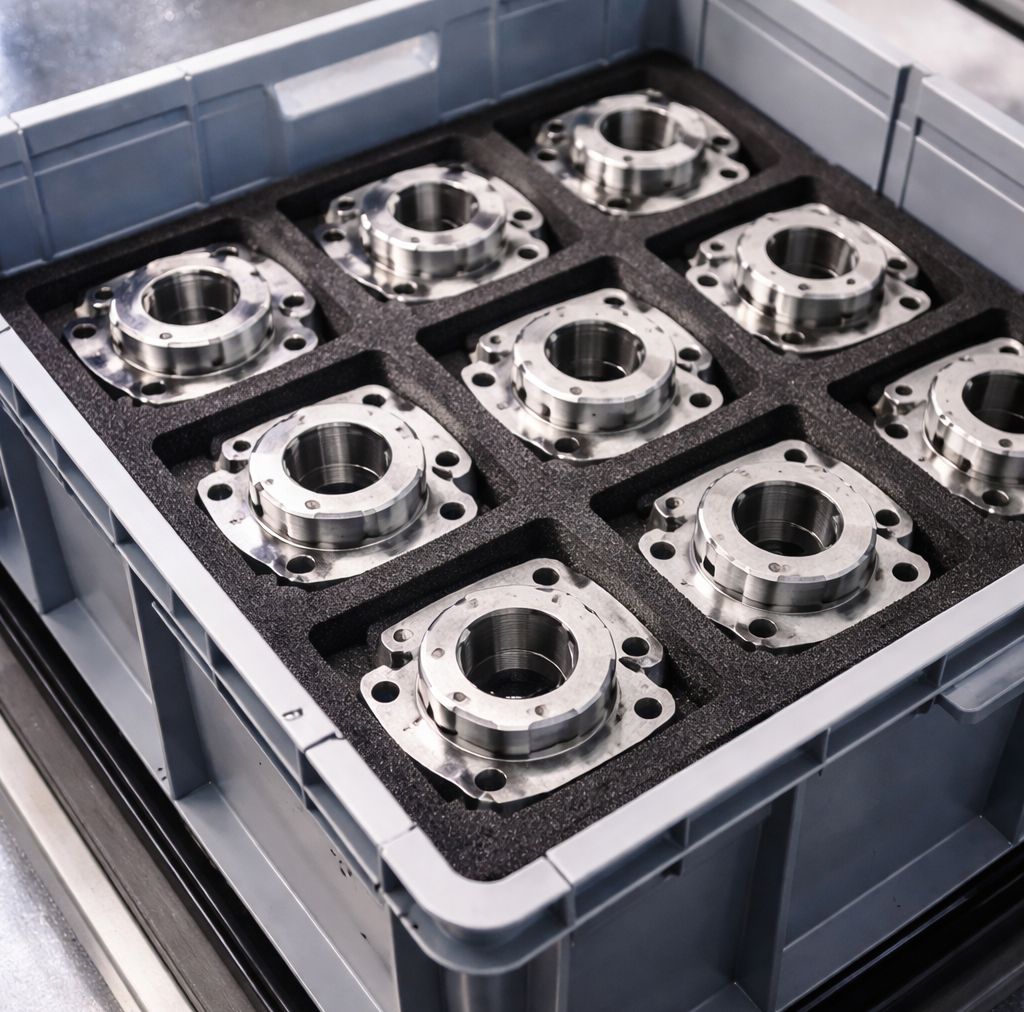
Structured bin picking with parts arranged in a repeatable pattern

Structured

Parts are placed in a repeatable, predictable pattern. This is usually the simplest and fastest robotic picking approach.

  • Lowest robot complexity
  • Often the fastest cycle times
  • Less need for advanced vision
  • More work required upstream
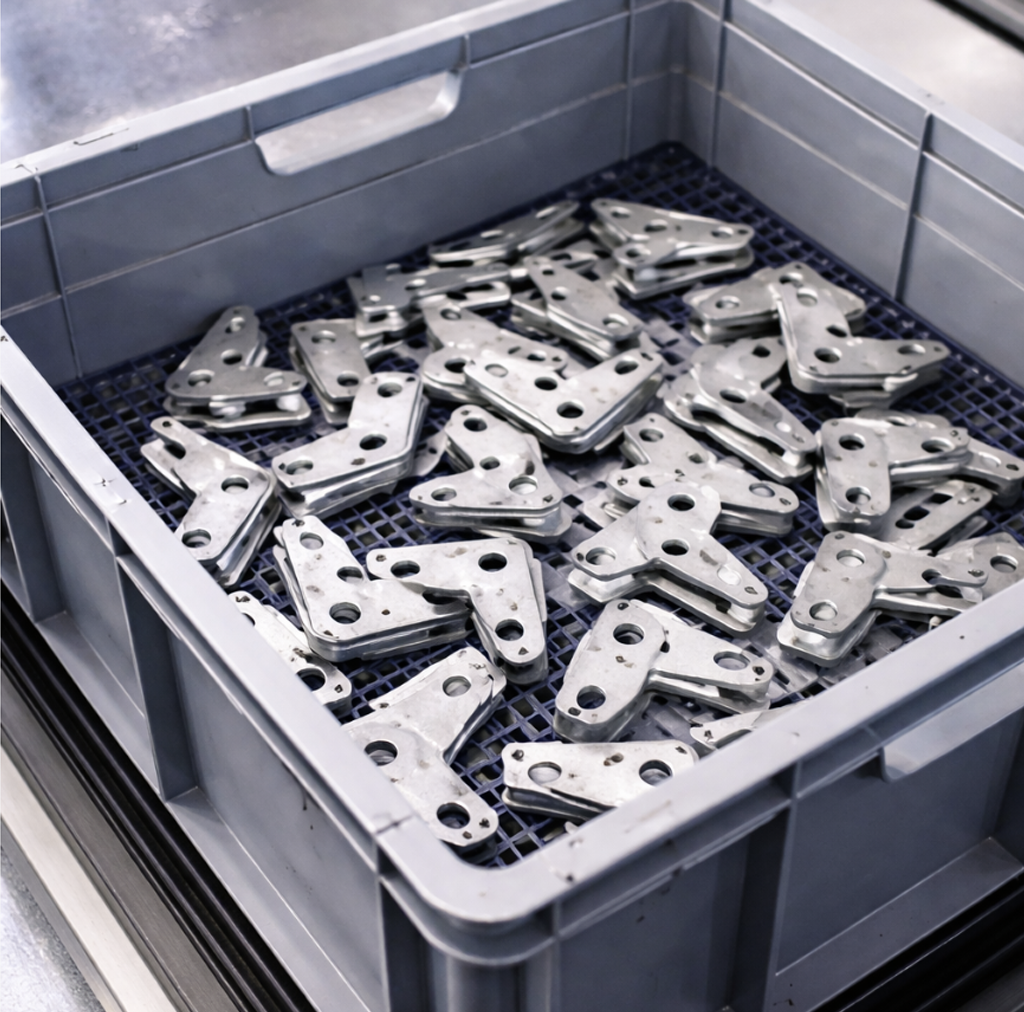
Semi-structured bin picking with parts somewhat organized but not fully repeatable

Semi-Structured

Parts have some organization or spacing, but not enough to make the application fully straightforward.

  • Moderate system complexity
  • May still need vision guidance
  • Balanced approach to cost and flexibility
  • Cycle times vary by part arrangement
Random bin picking with parts in unpredictable positions and orientations

Random Bin Picking

Parts arrive in unpredictable positions and orientations. This is the most flexible approach, but also the most advanced.

  • Highest vision and tooling demands
  • Greater flexibility upstream
  • Longer cycle times than structured picking
  • Strong fit for bulk-loaded parts

Quick Comparison

This side-by-side view helps simplify the tradeoff: structured systems typically deliver speed, while random bin picking supports more variation and less upstream handling.

Factor Structured Semi-Structured Random Bin Picking
Upstream Effort High Moderate Low
Robot Complexity Low Moderate High
Vision Requirement Minimal or none Application dependent Advanced vision typically required
Cycle Time Fastest Varies Typically longer
Flexibility Lower Moderate Highest
Typical Cost Range Lower Mid-range Higher

Bottom line: the less organized the incoming parts are, the more the application relies on advanced random bin picking vision and tooling strategies.

When Each Approach Makes Sense

Use Structured or Semi-Structured Picking When:

  • Throughput is critical
  • Parts can be layered, spaced, or fixtured upstream
  • You want to keep the application simpler
  • You want to reduce the need for advanced vision

Use Random Bin Picking When:

  • Parts arrive bulk loaded or dumped into containers
  • Orientation is unpredictable
  • Manual sorting is slowing down the process
  • The upstream process needs more flexibility

What Matters Here

How parts arrive at the robot often matters more than the robot itself.
Over-engineering a structured application can add cost without adding value.
Underestimating random bin picking can lead to poor performance and missed rate goals.
The best automation strategy usually starts upstream with part presentation.

Common Application Fit

Structured / Semi-Structured

Good fit for trays, dunnage, layered parts, organized totes, and applications where part location stays relatively predictable.

Random Bin Picking

Good fit for castings, forgings, bulk-loaded metal parts, and other applications where reducing manual sorting and handling creates value.

Not Sure Where Your Application Fits?

Whether your parts are layered, semi-organized, or completely bulk loaded, MCRI can help evaluate the right path for your random bin picking application.

Request an Automation Evaluation

Related Posts