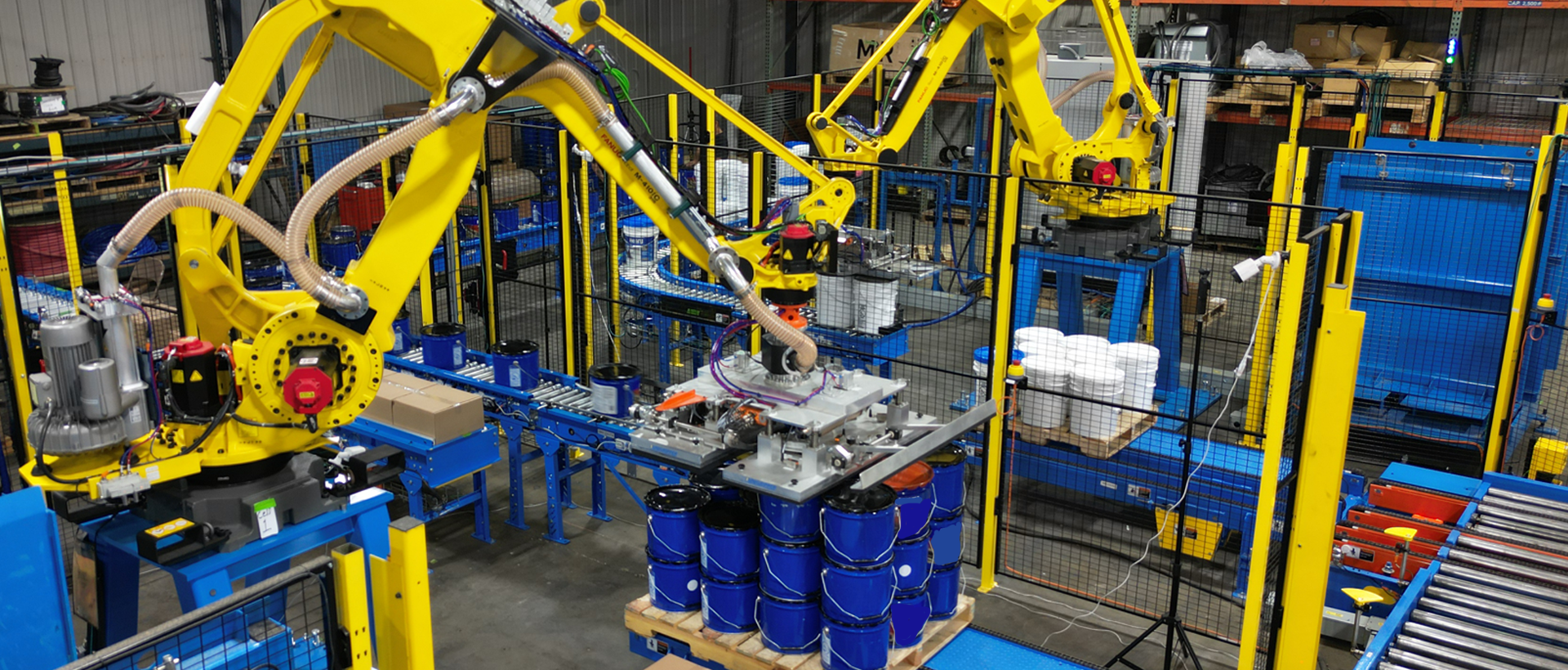
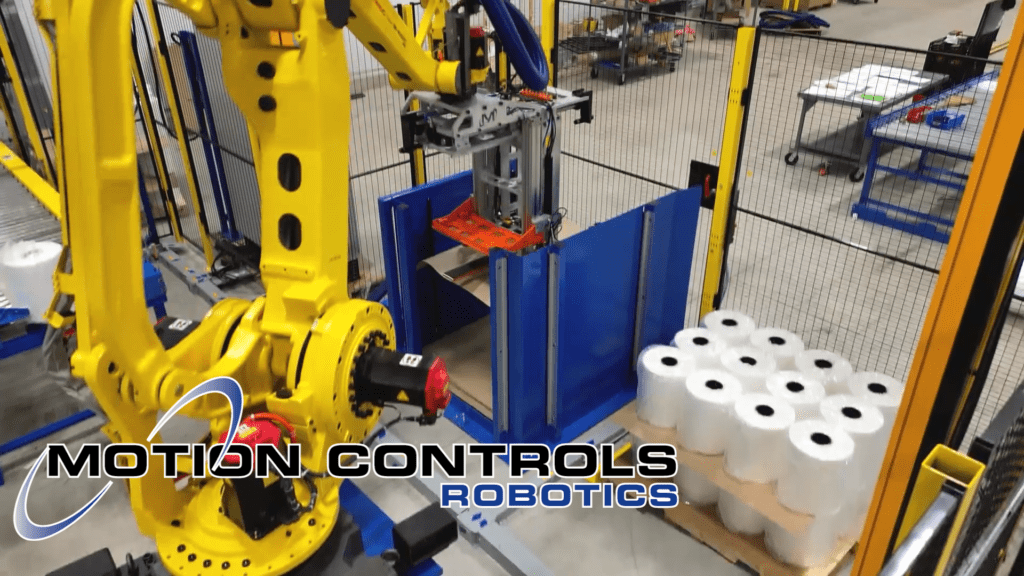
A Palletizing Machine-Dual M-Stack
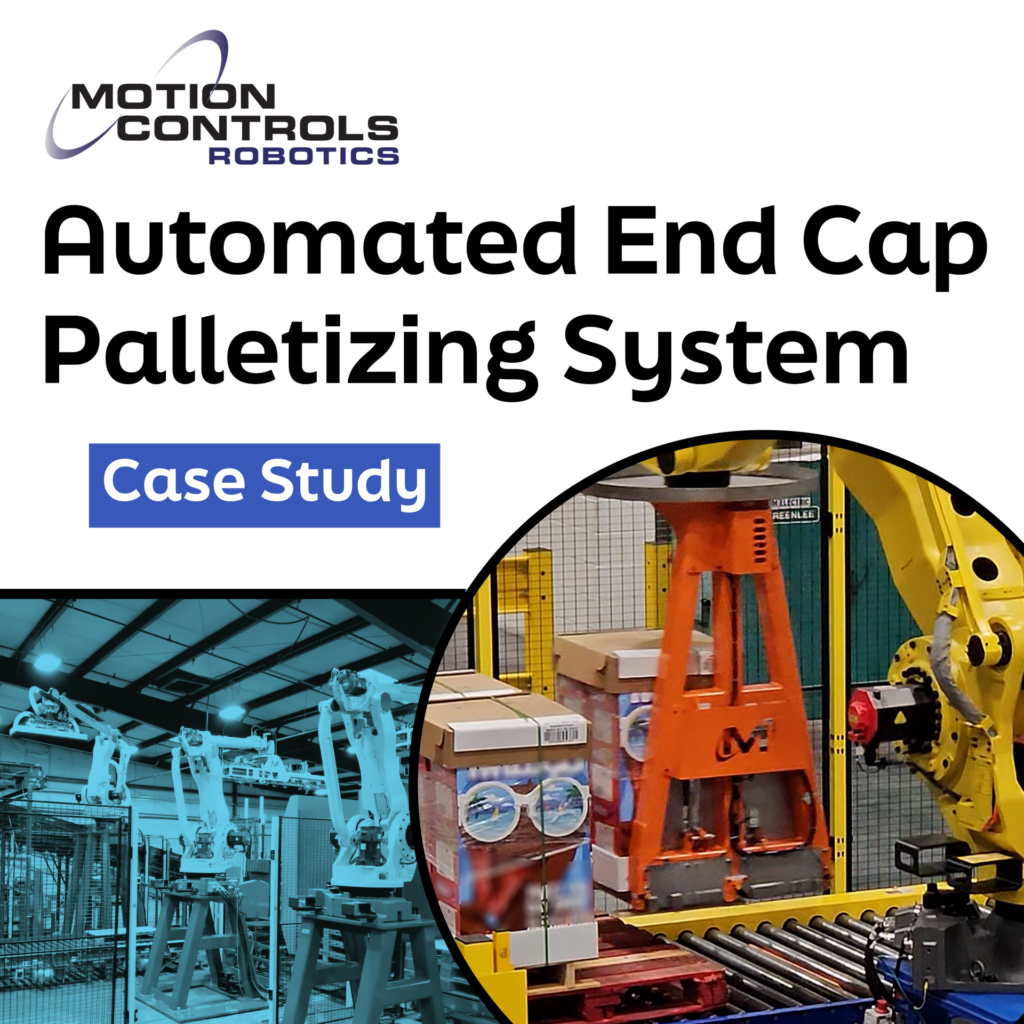
As an advanced industrial automation palletizer, the Dual M-Stack delivers reliable, high-speed palletizing across two product lines. This system is…
Read ArticleAutomated production systems are technologies and equipment designed to perform repetitive, precise, or physically demanding manufacturing tasks. Rather than replacing people, they support the workforce by improving safety, consistency, and efficiency at the same time freeing up operators for more valuable and less strenuous roles.
By automating these tasks, manufacturers can boost efficiency, consistency, and safety while lowering labor costs and minimizing the risks of human error.
From easing labor pressure to enabling flexible, high-throughput production, automated systems help manufacturers stay competitive and future-ready.
Machine tending tasks are often monotonous, dirty, and dangerous. Robots not only free up operators for more valuable work, but you’ll also see a big improvement in cycle rate thanks to consistent, uninterrupted motion.See Examples of Machine Tending
Jim explains what an automated production system is:
Think of automated production systems as the tools that take on repetitive or risky jobs so your team can focus on higher-value work. They are faster, safer, and more consistent without adding complexity.
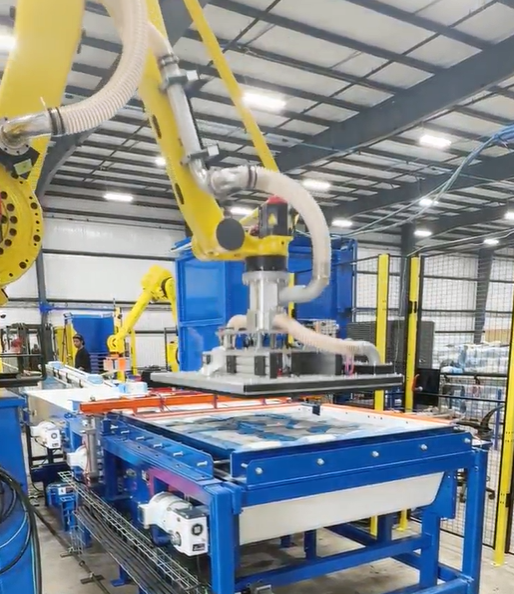

Automated production systems perform repetitive tasks such as stacking, packing, or loading with minimal human involvement.

Uses machinery and control systems like a robot end of arm tool, sensors, safety devices, and/or PLC/HMI.

Increases overall productivity and consistency by maintaining reliable rates, steady throughput, and uniform product quality across shifts and SKUs.

Enhances workplace safety and lowers labor-related costs through automation of repetitive and hazardous tasks.

Can integrate into broader systems like another conveyor line, stretch wrapping, inspection, and/or labeling systems.
When it comes to automating production, there’s no one-size-fits-all solution.
What works in one facility might fall short in another. So, I asked the MCRI team to rank the top ten production systems based on what they’ve seen in the real world.
Why their insights matter:
With hands-on experience in system integration, programming, engineering, project management, and long-term service support, our team has seen a wide range of automation solutions in action.
The MCRI team has unique insight into which technologies consistently help customers – whether the challenge is limited floor space, labor shortages, or the need to scale quickly, they’ve witnessed how the right automation can solve real problems.
What we learned:
Across these different experiences, one thing became clear. Certain technologies consistently help customers reduce costs, improve efficiency, and stay competitive.
So, we compiled the results into a ranked list of the Top 9 Automated Production Systems. These are based on real-world results, not marketing claims, and reflect what’s truly working in today’s manufacturing and warehouse environments.


A new pail palletizing system we recently integrated will ensure that the customer personnel will not be responsible for repetitively handling pails 40-60lbs.
| Rank | Automation System | Why It Delivers ROI |
|---|---|---|
| 1 | Robotic Palletizing (including cobots) | High labor savings. Fast ROI. Flexible layout. This solution is ideal for food, CPG, pharma, and general manufacturing facilities. Easily retrofittable into existing lines, it’s a proven option for boosting efficiency without extensive rework. |
| 2 | Robotic Case Packing | Reduces manual handling; excellent in CPG, food, and e-commerce; modular systems offer good layout flexibility. Robotic packing is preferred over hard automation because of customers’ need for constant changes to packaging. |
| 3 | Pick and Place Robotics | Pain free way to move products from A to B that is easily customizable to new tasks when needed. Big advantage over hard automation. See the case highlight |
| 4 | Machine Tending | High ROI for 24/7 CNC or molding operations. Robots take over repetitive, dirty, and dangerous tasks and boost the throughput with consistent movements. This frees up those operators for more valuable work. |
| 5 | Automated Labeling Systems | Delivers end-of-line accuracy, consistency, and traceability. Supports branding and regulatory compliance which is especially important in food, pharma, and logistics. Seamlessly integrates with packaging and palletizing systems for efficient order fulfillment and product verification. |
| 6 | AGVs / AMRs | Replace forklifts and improve safety; scalable for many layouts; excellent material flow efficiency. |
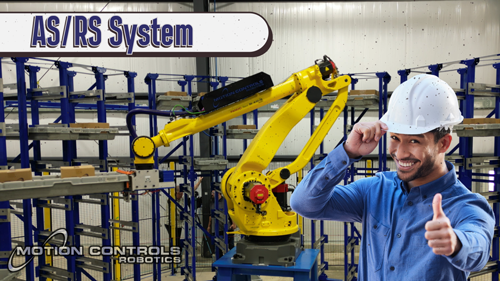
| 7 | Automated Storage and Retrieval Systems (ASRS) | High-density storage + fast access = huge ROI in warehouses and manufacturing; proven across industries. Great way to introduce accumulation into a system and to keep equipment from going down because now you have the ability to store and retrieve to keep downstream equipment fed. |
| 8 | End-of-Line Inspection and Vision Systems | Vision Inspection = Fewer Defects, Faster ROI. An easy-to-integrate quality checkpoint that reduces labor and defects. Ideal for industries with strict quality standards. Helps prevent faulty products from reaching customers and keeps end users happy while also protecting your brand. |
| 9 | Collaborative Robots for Tasks | Compact, safe, and flexible automation option that’s ideal for small & large facilities. Frees operators from repetitive, physically demanding tasks like case stacking. |
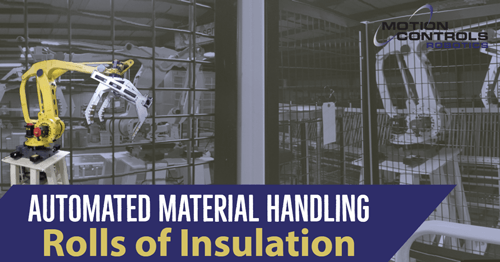
Pick-and-place robots eliminate one of the most repetitive manual tasks - loading conveyors from stacks.Too many plants still have people loading conveyors by hand all day long.
System Benefits:
Whether you’re just beginning to explore automation or looking to scale up, this ranked list gives you a clear, experience-based starting point.
These are the Systems solving real challenges in real facilities. They are driving ROI, reducing risk, and preparing operations for what’s next.
If one of these systems sparked an idea or fits a need in your facility, take the next step:
Explore our product lineup ↗
Try our ROI calculator ↗
Connect with our team ↗