

A Palletizing Machine-Dual M-Stack
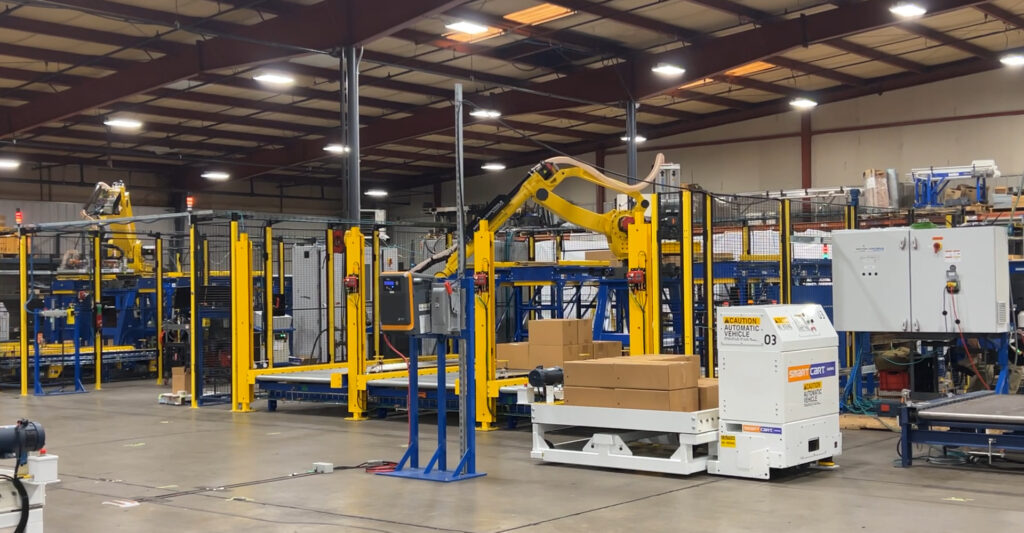
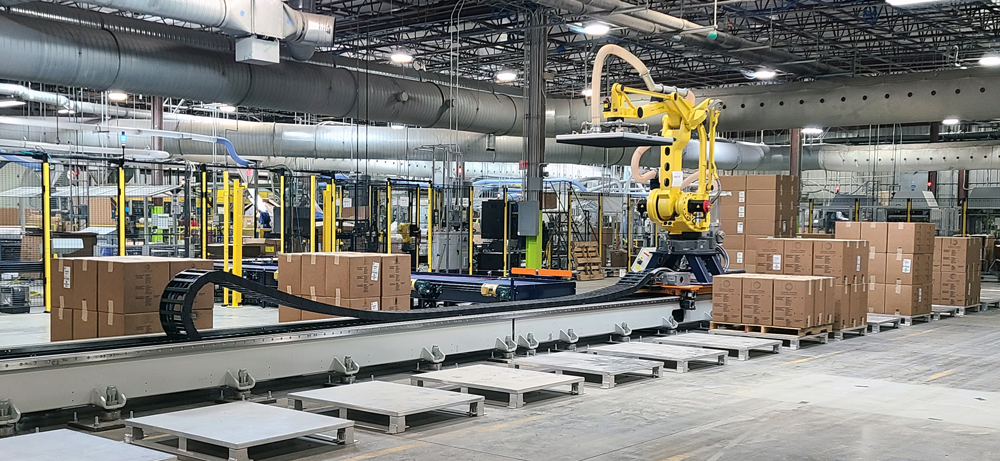
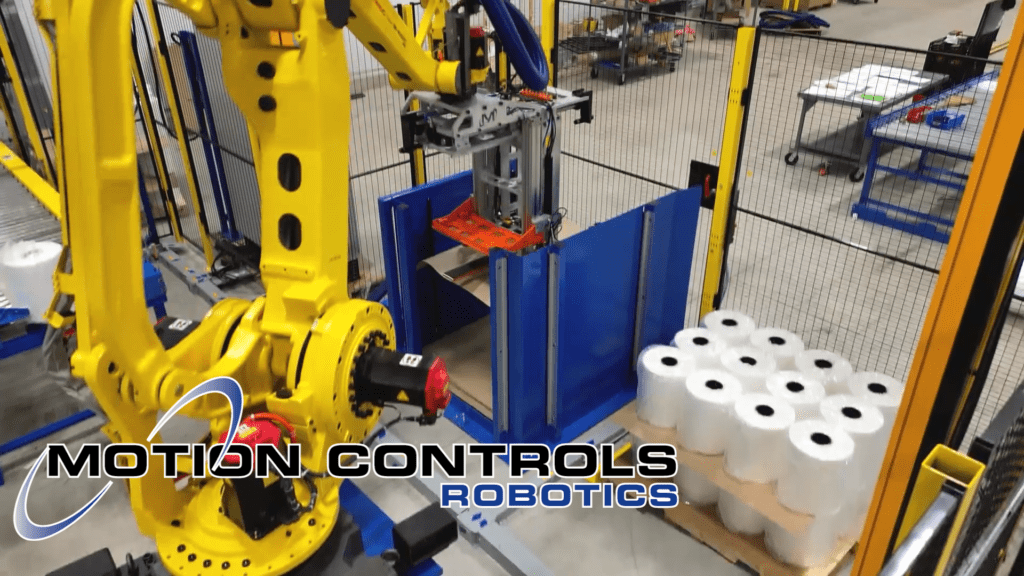
As an advanced industrial automation palletizer, the Dual M-Stack delivers reliable, high-speed palletizing across two product lines. This system is…
Read ArticleFor most companies, automation isn’t just about having the advanced technology, rather it’s about the numbers, the bottom line, and the speed of impact. Decision-makers need clear financial justification, which is why labor cost savings, faster production, and reduced downtime often dominate ROI discussions.
But here’s the problem: focusing only on immediate cost reductions can mean leaving significant long-term value out of the equation. While robotic automation is often evaluated through the lens of direct cost savings, companies that stop there risk underestimating the values that robotic automation brings to their process and over all investment. What about the impact on product quality? Inventory optimization? Customer satisfaction? These factors don’t always show up in the first year’s budget but they certainly are game-changers that can lead to big gains.
Plant managers, CFOs, and operations teams naturally focus on measurable outcomes like labor savings and throughput gains. However, true ROI goes beyond short-term productivity it includes strategic advantages that future proof your process for long-term profitability.
This article breaks down the key ROI drivers that companies prioritize, the challenges they consider, and the critical factors they often overlook. Whether you’re just beginning to explore automation or building a business case for leadership buy-in, our ROI Project Score Presentation helps you develop a custom PDF report to showcase the true value of your automation investment.
When companies evaluate automation, certain ROI factors are prioritized in decision-making. These are the most easily measurable benefits and the ones that directly impact cost savings and efficiency.
These factors are easy to quantify and clearly impact operational costs, making them the first metrics that leadership teams look at when assessing the ROI of automation. However, companies that focus only on these factors risk overlooking the long-term benefits that make automation an even greater investment.
When companies evaluate automation, the conversation often centers around labor savings and efficiency gains, which are critical, but they can’t be the only aspects explored.
The Palletizing Calculator is one of our most downloaded PDFs – gives you an idea of how much a new palletizer will cost.
Justifying an automation project can be challenging. Decision-makers need more than just a broad promise of efficiency they need data-driven insights that clearly show the value of the investment. That’s where our Automation ROI Evaluation Tool comes in.
We’ve identified 50 key ROI factors that impact manufacturing and logistics automation projects. With our interactive tool, you can:
This report isn’t just a number but a powerful tool you can use to present your case to upper management, securing buy-in for your automation investment. By highlighting both the financial and strategic benefits, you’ll have a clear, data-backed justification for moving forward.
Almost every automation project brings value to your facility even if the top 5 ROI factors don’t show immediate savings.
Check the boxes next to the benefits your facility will gain by implementing automation. Each of the 50 factors is ranked by its impact on cost savings and efficiency. If your score reaches 50% or higher, it’s worth taking a deeper look at the long-term benefits beyond just labor savings and efficiency gains.
At the bottom of the form, you’ll receive an honest, data-driven ROI score and the option to email yourself a presentation-ready PDF. This tool helps ensure your facility captures all automation benefits not just the few that most companies traditionally measure. By considering the full scope of impact, you can justify your project with confidence and stay competitive in your industry.
“ROI in automation isn’t just about labor. Labor savings might be the icing, but the real value is in overall productivity gains and improved reliability across operations.”
Think about your current project idea and check all the aspects below that you believe would be affected by adding robotics and automation to your process.