Vision options we integrate
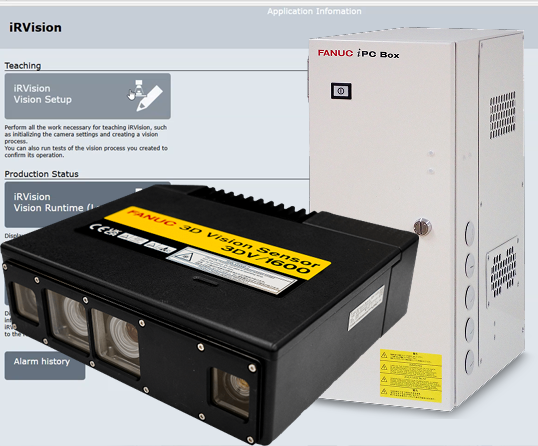
Motion Controls Robotics integrates robotic vision using FANUC iRVision and third-party vision products we select based on the application, environment, and inspection requirements.
FANUC iRVision (2D + 3D)
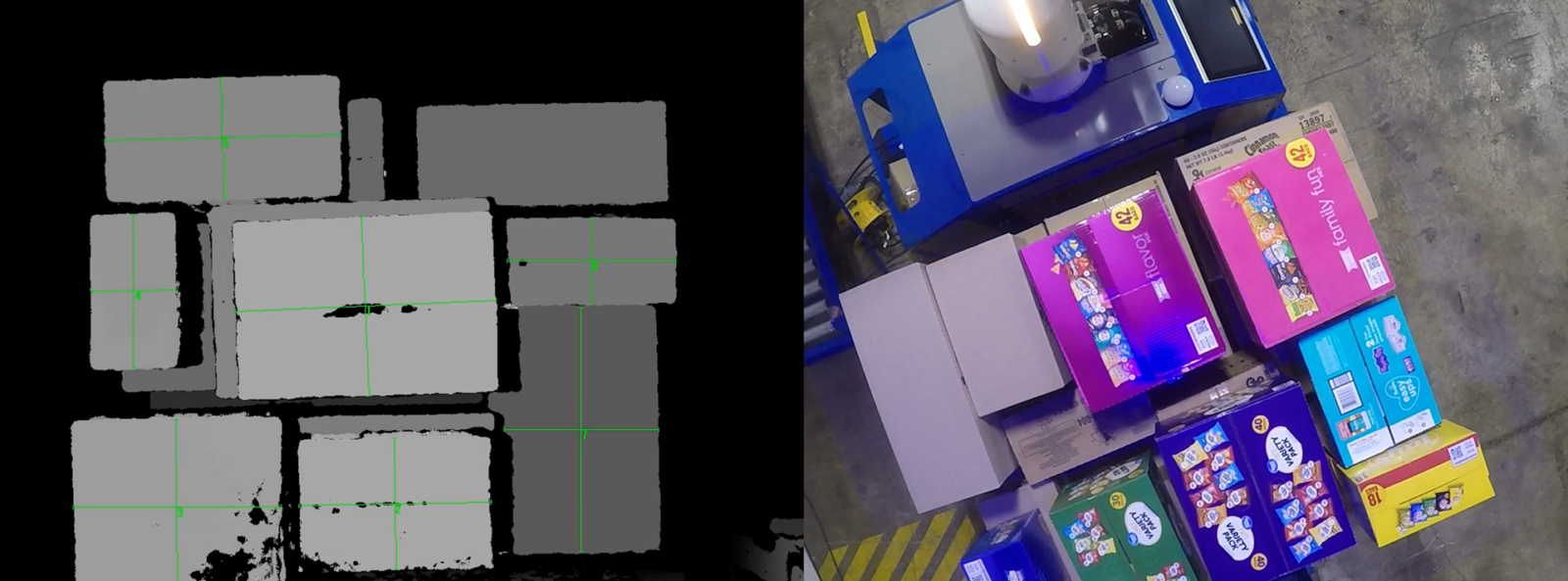
FANUC’s iRVision offering includes integrated 2D guidance and multiple 3D options (including 3DV/3DA Area Sensor configurations) for detection, guidance, and 3D measurement.
- 2D guidance: location, orientation, presence/absence, error proofing
- 3D detection: depalletizing, tote/bin picking, kitting, wide-area measurement
- Fixed-mount or robot-mount camera strategies depending on reach & field-of-view
Barcode + traceability
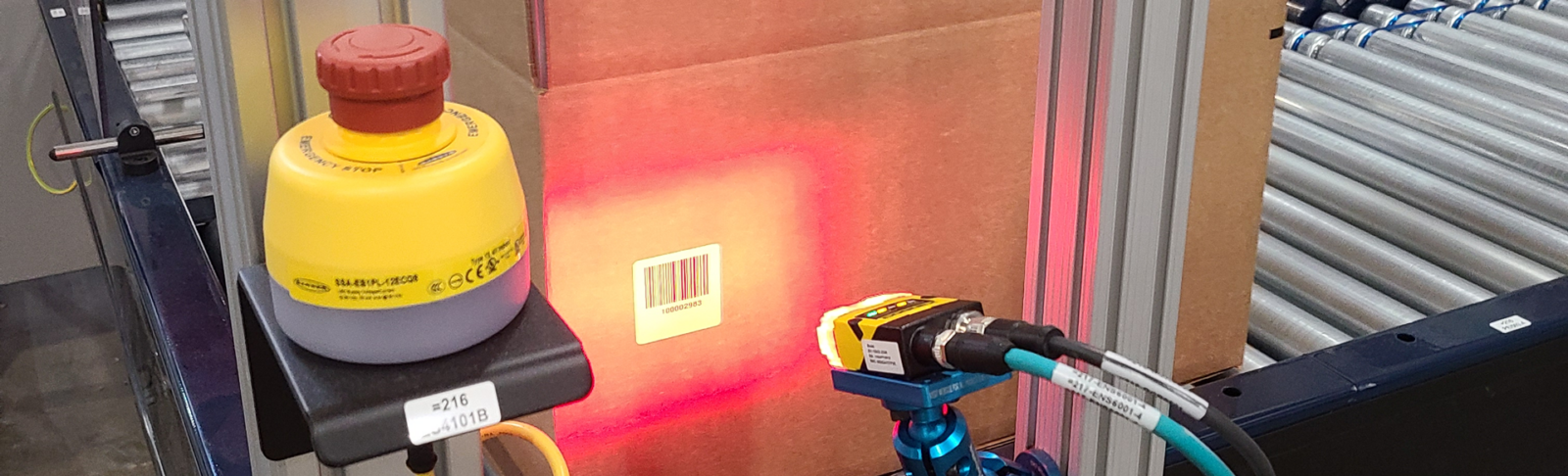
For tracking and verification, one or more conveyor-mounted barcode scanners (such as Cognex) can be integrated with counting and tracking logic so each case is scanned and recorded for downstream systems.
When deeper visibility is needed, scan events and production data can feed into ImpactIQ, our dashboarding and tracking software, so teams can monitor performance, trends, and exceptions without digging through raw logs.
Force sensing (when “feel” matters)
Some applications require more than seeing. They require controlled force and torque. FANUC force sensing supports multi-direction force/torque feedback (6 degrees of freedom) for precision assembly and material removal tasks.
- Insertion / assembly with tight tolerances
- Inspection steps where consistent contact force matters
Applications
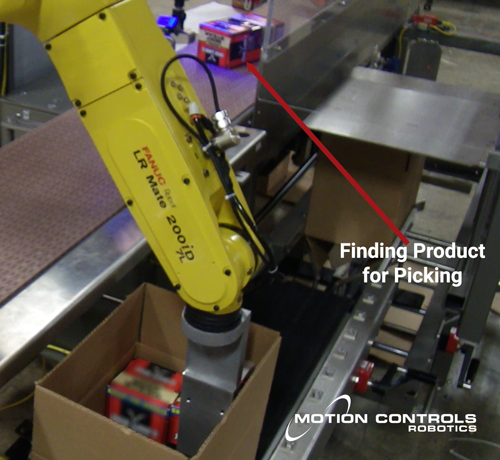
Guidance + picking
- Locate parts on conveyors
- Pick from mixed or unpredictable presentation
- Replace inflexible hard tooling/fixtures
See Guidance + Picking Examples
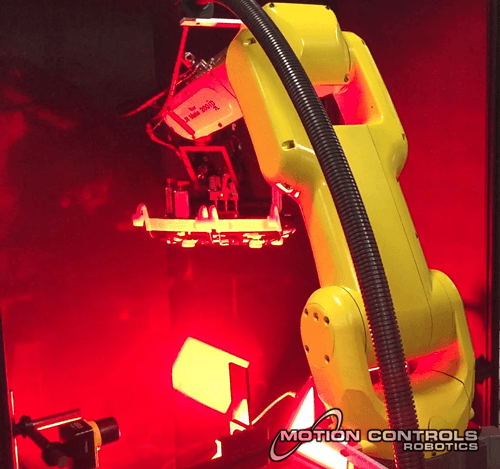
Inspection + verification
- Error proofing (right part, right place)
- Presence/absence checks
- Detect defects or missing components
See Inspection Examples
What makes a vision project succeed
- Lighting first: consistent lighting beats “more software” almost every time.
- Surface reality: glossy film, dark parts, and mixed materials often require specific optics/filters and controlled angles.
- Cycle time: field-of-view, exposure, and processing time must match your throughput targets.
- Integration: the best vision result is useless if the PLC/robot handshake and fault recovery aren’t rock-solid.
FAQs
Do I need 3D vision?
If product height varies, items are stacked with mixed product, or you need depth data to pick reliably, 3D is often the right move. If parts are presented consistently and you mainly need XY + rotation, 2D may be enough.
Can vision work in harsh plant environments?
Yes – but it has to be designed for it. Proper lighting, shielding, mounting, and a practical maintenance plan are key.
Can you integrate barcode tracking and reporting?
Yes. Barcode readers can be integrated for traceability and connected into PLC/robot logic. If you want dashboards and ongoing visibility, that same data can also feed ImpactIQ for reporting and tracking.